Whole House Water Filtration
Evaluate point-of-entry water filtration systems installed near the home's main water supply to treat water serving multiple fixtures.
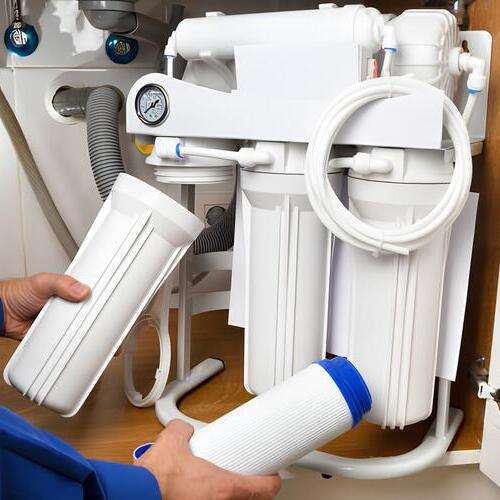
Your home's water supply plays an important role in daily living. From drinking and cooking to washing dishes, showering, and using household appliances, water is part of nearly everything you do.
Guillen Family Plumbing provides water filtration system services in Hesperia, Victorville, CA, and surrounding High Desert communities. We help homeowners explore filtration equipment suited to their plumbing systems and water quality concerns.
Whether you're considering a whole-house water filter, an under-sink drinking water system, or replacing outdated equipment, professional installation helps ensure proper connections and dependable operation.
Different filtration technologies address different water concerns. The right system depends on your water source, treatment goals, equipment performance, and household needs.
Household water can contain minerals, disinfectant residuals, suspended particles, and other substances depending on its source and treatment history.
Some homeowners are interested in reducing chlorine-related taste or odor, while others want to address sediment, identified contaminants, or specific drinking water concerns.
Water filtration systems vary considerably. A sediment filter is designed for different purposes than an activated carbon filter, and a reverse osmosis membrane performs differently from both.
No single filtration system is appropriate for every water quality problem. It is important to select equipment based on available test results, verified product performance, and installation conditions.
Professional plumbing installation also helps ensure the system has appropriate supply connections, flow capacity, service access, and drainage where necessary.
We help evaluate water filtration equipment for household plumbing applications, including individual faucets and whole-home filtration systems.
Evaluate point-of-entry water filtration systems installed near the home's main water supply to treat water serving multiple fixtures.
Install suitable point-of-use filtration equipment for kitchen sinks and other approved drinking water locations.
Explore filtration designed to reduce particulate matter such as sand, silt, and sediment within the selected filter's rated capacity.
Evaluate carbon-based filters for reducing chlorine taste, odor, and other selected substances covered by verified product claims.
Install suitable membrane-based drinking water treatment systems with the required supply, drain, and faucet connections.
Replace outdated, damaged, or underperforming filtration equipment with compatible updated systems.
Evaluate water supply connections, filter housings, shutoff valves, bypass arrangements, and accessible installation space.
Review filter replacement requirements, equipment condition, and routine maintenance needs according to manufacturer instructions.
Water quality concerns can appear in different ways. You may notice chlorine taste, visible particles, cloudiness, or changes in the appearance of water.
Some homeowners want filtered drinking water for everyday use, while others are concerned about specific substances identified in a water quality report.
Visible sediment may indicate the need for particulate filtration, while certain taste and odor concerns may be addressed through appropriately certified carbon filters.
Hard water deposits are a different concern. Traditional water softeners reduce hardness minerals, while many filtration systems do not.
Appearance, taste, and odor alone cannot confirm whether water is safe to drink. Specific contamination concerns should be evaluated through suitable testing and public water quality information.
Discuss Water Filtration OptionsSuccessful filtration starts with choosing suitable equipment and ensuring it is installed correctly within the home's plumbing system.
We discuss the water quality concerns, source water, existing plumbing, and filtration goals. Available water reports or additional testing help guide equipment selection.
Suitable equipment is installed with attention to water supply connections, manufacturer specifications, flow requirements, filter accessibility, and any necessary drainage provisions.
The completed installation is checked for leaks and appropriate operation. We review filter replacement schedules and manufacturer maintenance recommendations.
Water filtration equipment requires regular attention to continue providing its intended treatment.
Filter cartridges, sediment media, carbon media, and membranes have different service-life requirements.
Actual replacement intervals depend on source water, household water usage, filter capacity, and manufacturer instructions.
A neglected filter may experience reduced flow or declining treatment performance. Accessible housings, fittings, and connections should also be inspected for leakage.
For systems intended to reduce particular contaminants, water testing may be important to verify ongoing effectiveness.
A suitable maintenance plan helps homeowners understand the continuing costs and responsibilities associated with their equipment.
Learn more about whole-house filtration, under-sink systems, filter replacement, equipment selection, and professional installation.
A whole-house water filtration system is typically installed near the main water supply entry point to treat water delivered to multiple fixtures. Its filtration capabilities depend on the selected media, equipment, and verified performance ratings.
Neither is automatically better for every home. Whole-house filtration serves multiple plumbing fixtures, while under-sink filtration is typically intended for drinking water at one location. The best option depends on treatment needs, water quality, household use, and budget.
No. Different filtration systems reduce different substances. Sediment, carbon, and membrane filters operate differently, and individual products have specific performance limitations. Check certified contaminant reduction claims and water test results before selecting treatment equipment.
Most standard sediment and carbon filters do not remove calcium and magnesium hardness minerals. Traditional water softening systems are designed specifically to reduce water hardness. An appropriate water evaluation can help determine which equipment is needed.
Maintenance depends on the equipment, source water, filter capacity, and household usage. Cartridges and other treatment components should be maintained or replaced according to manufacturer recommendations. Some systems may also require periodic performance testing.
Guillen Family Plumbing serves Hesperia, Victorville, and surrounding High Desert communities. Call 760-995-1529 to discuss whole-house water filtration, drinking water systems, equipment replacement, and professional installation options for your property.
Whether you're installing a whole-house filter, replacing outdated water treatment equipment, or exploring under-sink drinking water filtration, Guillen Family Plumbing can help you evaluate your options.
We serve homeowners and businesses throughout Hesperia, Victorville, Apple Valley, and surrounding High Desert communities with a focus on appropriate equipment, dependable plumbing installations, and practical water treatment solutions.