Water Softener Installation
Install appropriately selected water softening equipment with suitable plumbing connections and service access.
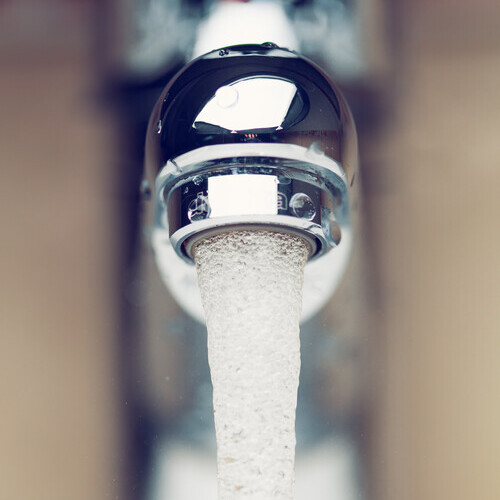
Hard water can create frustrating problems throughout a home, from cloudy glass shower doors and mineral deposits on faucets to scale buildup inside water-using appliances.
Guillen Family Plumbing provides water softener services in Hesperia, California, helping homeowners evaluate options for reducing hardness minerals in their household water supply.
If you're noticing white mineral deposits, spotting on dishes, or stubborn scale around plumbing fixtures, installing a properly sized water softener may help.
Our team can assist with water softener installation, replacement, plumbing connections, and maintenance considerations for suitable residential systems.
Hard water contains dissolved calcium and magnesium minerals. Hardness levels can vary depending on the water source, local distribution system, and changes in supply.
As hard water is heated or evaporates, mineral deposits can accumulate on fixtures, showerheads, water heaters, and other surfaces.
This scale can make routine cleaning more difficult and, in some circumstances, affect water flow or appliance performance.
A traditional ion-exchange water softener reduces hardness minerals by exchanging calcium and magnesium ions for other ions, typically sodium or potassium.
Before installing a system, testing your water hardness helps determine whether softening is needed and how much treatment capacity is appropriate.
The right water softener depends on your water hardness, household demand, available installation space, and existing plumbing.
Install appropriately selected water softening equipment with suitable plumbing connections and service access.
Evaluate point-of-entry softening systems that treat household water before distribution to multiple fixtures.
Explore traditional ion-exchange systems that regenerate their resin using appropriate salt-based solutions.
Replace aging or underperforming softening equipment with a suitable updated system.
Review available water hardness test results and treatment needs before selecting a softener.
Evaluate shutoff valves, bypass assemblies, supply piping, approved drainage, and equipment placement.
Assess concerns involving low softening performance, abnormal operation, or plumbing leaks around equipment.
Review brine tank care, regeneration settings, resin performance, and manufacturer maintenance requirements.
Hard water can affect everyday household activities, especially cleaning and the operation of water-using equipment.
White scale around faucets, cloudy shower doors, and mineral buildup on fixtures are common reasons homeowners begin looking into water softening.
In some homes, hardness minerals can contribute to buildup in water heaters and other equipment, particularly where water is repeatedly heated.
However, a visible deposit alone does not determine the precise hardness level. Proper testing provides more useful information when choosing equipment.
Discuss Your Hard Water ConcernsSelecting and installing a water softener begins with understanding the household's water characteristics and plumbing requirements.
Review water hardness information, household demand, supply pressure, installation space, and existing plumbing to determine appropriate equipment capacity.
Install the selected softener using suitable supply piping, bypass connections, approved drainage, and required installation clearances.
Verify plumbing connections and basic system operation, then review salt requirements, regeneration settings, and the maintenance instructions.
A water softener requires ongoing maintenance to continue reducing hardness effectively.
Traditional salt-based softeners need a suitable supply of regeneration salt and periodic attention to the brine tank.
Salt bridging, incorrect settings, clogged components, or deteriorating equipment can affect softener performance.
Monitoring hardness levels can help determine whether the system is functioning as expected.
Equipment maintenance should follow the manufacturer guidelines and account for the property's actual water conditions.
Find answers about hard water, water softener installation, salt requirements, and system maintenance.
Whether your Hesperia home needs a water softener depends on your actual water hardness and household preferences. Mineral scale, hard water spotting, and other signs can suggest elevated hardness, but water testing is the best way to measure it.
Traditional ion-exchange water softeners reduce calcium and magnesium hardness minerals. They do not automatically remove chlorine, bacteria, viruses, or every chemical contaminant. Other treatment systems may be necessary for those concerns.
No. Salt-free conditioners generally do not remove hardness minerals in the same way as traditional ion-exchange water softeners. They may use other technologies intended to manage scale formation. Product performance should be evaluated individually.
Salt replenishment depends on the softener's capacity, regeneration settings, household water use, and hardness levels. Check the brine tank periodically and follow the equipment manufacturer's instructions.
Reducing hardness can help limit the formation of calcium and magnesium scale in certain water-using appliances, including water heaters. Actual results depend on water conditions, appliance design, and equipment maintenance.
Guillen Family Plumbing serves homeowners in Hesperia, California, and surrounding High Desert communities. Call 760-995-1529 to discuss water softener installation, replacement, or maintenance needs for your property.
Mineral deposits, hard water spots, and scale buildup can make everyday household maintenance more frustrating. A properly selected water softener may help reduce those hardness-related problems.
Guillen Family Plumbing provides water softener services in Hesperia and surrounding High Desert communities, including Victorville and Apple Valley. Contact us to discuss your water hardness concerns and installation options.